terça-feira, 16 de setembro de 2014

Ni Moth


30-07-2014

04-08-2014

07-08-2014

11-08-2014


18-08-2014
16-08-2014


18-08-2014

18-08-2014

25-08-2014

27-08-2014


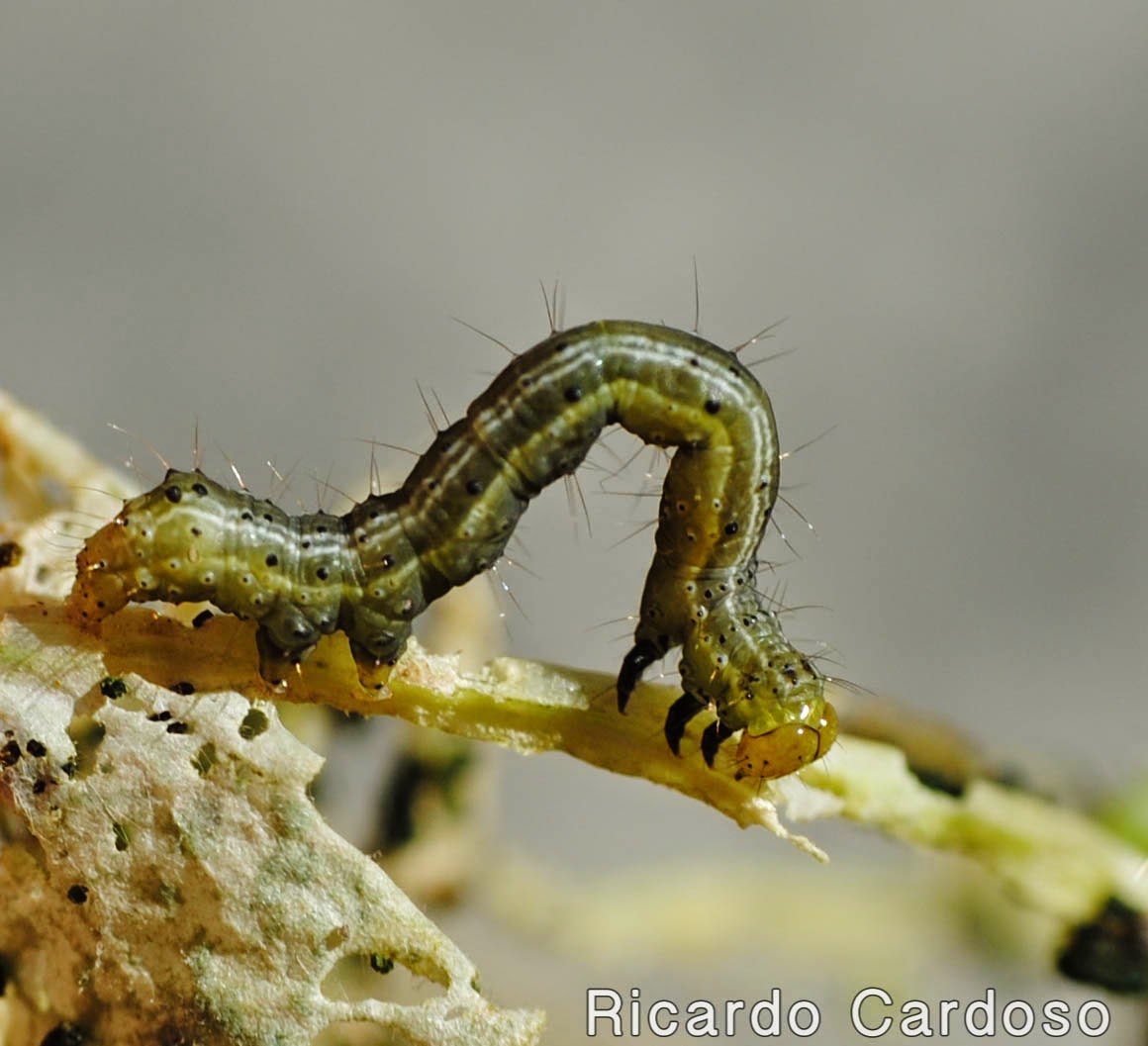
Trichoplusia ni aka Ni Moth


ID BY/POR Eduardo Marabuto

Relatively common moth around Europe.
The caterpillar grows up really fast. Since one of the ordinary name of it was Cabbage looper I decided to just feed it with Cabbage and it work perfect.
I raised 10 of them and most of the youngsters I set them free near the forest in a host plant of them.
As much as the ‘’familiar’’ of this ,it makes a silk cocoon and then pupates inside.
The Pupa stage doesn’t take very long.
Later makes this beautiful moth.
Wingspan about 30-40 mm


Uma especie relativamente comum na Europa.
A Lagarta cresce bastante rápido. E como um dos nomes communs em inglês traduzido seria ‘’Cabbage Looper’’, traduzindo Cabbage = couve, alimenteia apenas de Couve e foi o necessário.
Criei 10 delas e muitas das outras libertei-as perto do mato numa planta também hospedeira da mesma.
Como muitas das ‘’familias’’ desta, ela faz um casulo de seda e faz a pupa dentro da mesma.
A fase de pupa não demora muito.
Mais tarde sai esta borboleta-nocturna.
Envergadura desde 30-40 mm.

terça-feira, 2 de setembro de 2014

Phyllonorycter populifoliella

11-08-2014 (a mina - The mine)


26/08/2014  - Pupa

26/08/2014


Phyllonorycter populifoliella

ID por/by Martin Corley

Found this leafminer in a Populus sp. I decided to give it a try and see if I could get to know which micro moth would get out.
Got out a beautiful small moth. The Wingspan is about 0.4-0.2 cm.


Encontrei esta borboleta mineira em Populus sp. e decidi tentar ver o que de lá saia. Saiu esta lindissima e pequena borboleta.
Envergadura de 0.4-0.2 cm. 

domingo, 24 de agosto de 2014

Rusty Dot Pearl

03/07/2014 


5/07/2014


07/07/2014 - Starting pupating /começar a pupar

09/07/2014 Pupa

17/07/2014


Udea ferrugalis aka Rusty Dot Pearl

EN:

This is a common species of moth in my place. Last three years I’ve seen this species always appearing when the lights turn on, and I had a small desire of raise one of these. This year I could accomplish it, not only found one caterpillar, but dozen of them. Maybe they were there always but I’ve never seen. I had this idea that it wouldn’t be easy to find these, but I guess I was all wrong. It was always in front of me. 
The caterpillar was feeding in Amaranthus sp and Beta cf. vulgaris. 
It produces a small silk to protect themselves from the parasitoids. 
The larvae pupate fast as well as hatching. 
The wingspan is 18–22 mm.
This is now a common species on my yard. Maybe next year I’ll give again a go and raise again this species. 

PT:

Esta é uma espécie comum de borboleta nocturna na minha zona. Nos últimos 3 anos vi esta espécie a aparecer sempre que ligava a luz, e sempre tive aquele formigueirozinho na barriga para criar uma destas. Este ano consegui, e encontrei não só uma, mas mais de uma dezena delas no meu quintal. Talvez sempre estiveram por lá, mas nunca reparei nelas! Tinha na minha cabeça que seria difícil de encontrar, mas pelo que parece estou enganado, elas sempre estiveram perto de mim.
A lagarta/larva alimentou-se de Amaranthus sp e Beta cf. vulgaris  (Acelga).
Esta produz uma pequena teia de seda para enrolar a folha, para assim se proteger dos parasitas.
A larva cresce e pupa muito rápido assim como eclodir da pupa. 
Tem de envergadura 18-22 mm.
Agora é uma espécie comum e familiar no meu quintal. Talvez no próximo ano volte a criar uma destas. 


NOTA/NOTE:
* Eu decidi pela primeira vez filmar alguma coisa, utilizo o telemóvel do meu irmão, talvez em algumas publicações futuras continue a publicar alguns vídeos da lagarta, pupa e imago, ou apenas uma das partes. 
* I’ve decided to record for the first time some of the process, I used my brother’s phone, so maybe future posts I’ll continue posting some tapes of the caterpillar, pupa and imago, or a part of it. 


quarta-feira, 13 de agosto de 2014

Phyllonorycter quercifoliella

20-07-2014

Pupa 31/07/2014

31-07-2014 


Phyllonorycter quercifoliella

ID by/por Martin Corley


This is a leafminer moth. It mines on Quercus sp. In this case it mined a Quercus robur.
They create a lower surface tentiform mine and in the lower epidermis one sharp fold.
Later bring this beautiful moth. Wingspan 7-9 mm


Esta é uma mineira. Ela mina espécies de Quercus sp, e neste caso minou Quercus robur.
Elas criam uma mina em especie de tenda na parte superiror e na parte inferior da epiderme uma dobra acentuada para protegerem-se.
Mais tarde saí de lá esta linda borboleta. Envergadura de 7-9 mm

sábado, 9 de agosto de 2014

Nettle-tap

27-06-2014


28-06-2014


30-06-2014 Silk Cocoon

10-07-2014


Pupa


Anthophila Fabriciana aka Nettle-tap

ID by/por EDUARDO MARABUTO

This little moth is very common on nettle fields. At first I thought they were Hymenoptera, because the first 3 caterpillars always hatched a wasp. But I got stubborn and I gathered as much caterpillars as I could and most of them made this beautiful tiny moth.
The caterpillar is small; usually it is on the end of the Nettle leaf. They produce a silk which serve as protection. Once they fed, and full grown they make a silk cocoon and pupate.
After somedays they hatched.
The moth is 10 mm to 15mm wingspan. Even though they are moths, they are active in daylight.


Esta pequena borboleta é bastante comum nos campos de urtigas.
No inicio pensei que eram Hymenoptera pois as primeiras 3 lagartas sempre que eclodiam eram vespas. Mas fui teimoso e voltei ao local para recolher o maior numero de lagartas possíveis para saber se eram realmente Hymenoptera ou Lepidoptera.
A lagarta é pequena, quase todas encontravam-se na pota da folha de urtiga. Elas produziram ceda que serve de proteção. Uma vez passado o tempo de alimentação e estarem suficientemente grandes fazem um casulo de seda e pupam.
Dias depois elas eclodem.
Esta borboleta tem 10mm a 15mm de envergadura. Apesar de serem da família das Borboletas-nocturnas, são activas durante o dia.