sábado, 22 de outubro de 2016

The Vestel

10-08-2016

11-08-2016


17-08-2016

18-08-2016


05-09-2016


08-09-2016


20-09-2016


26-09-2016


Rhodometra sacraria aka The Vestel


PT

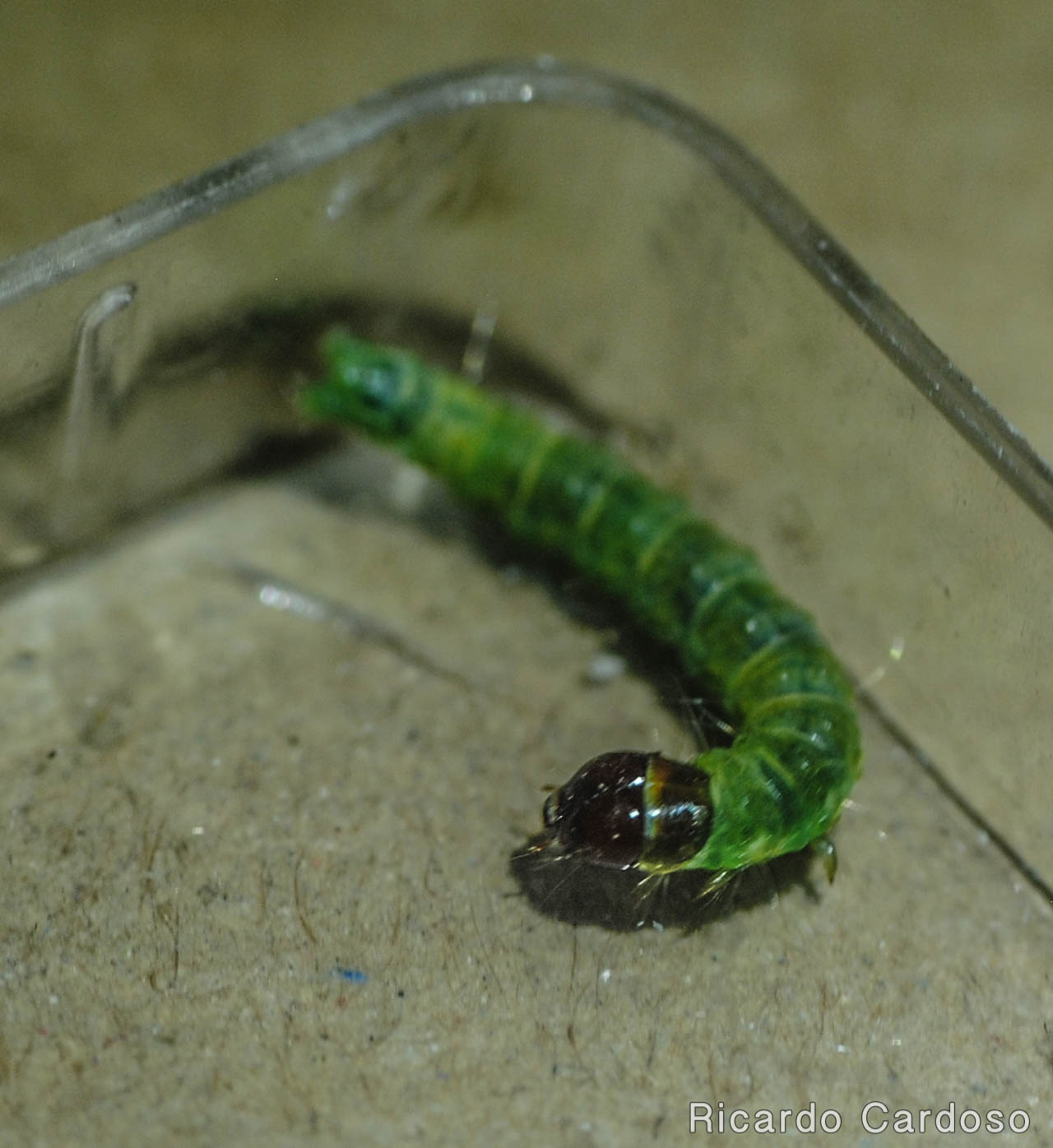
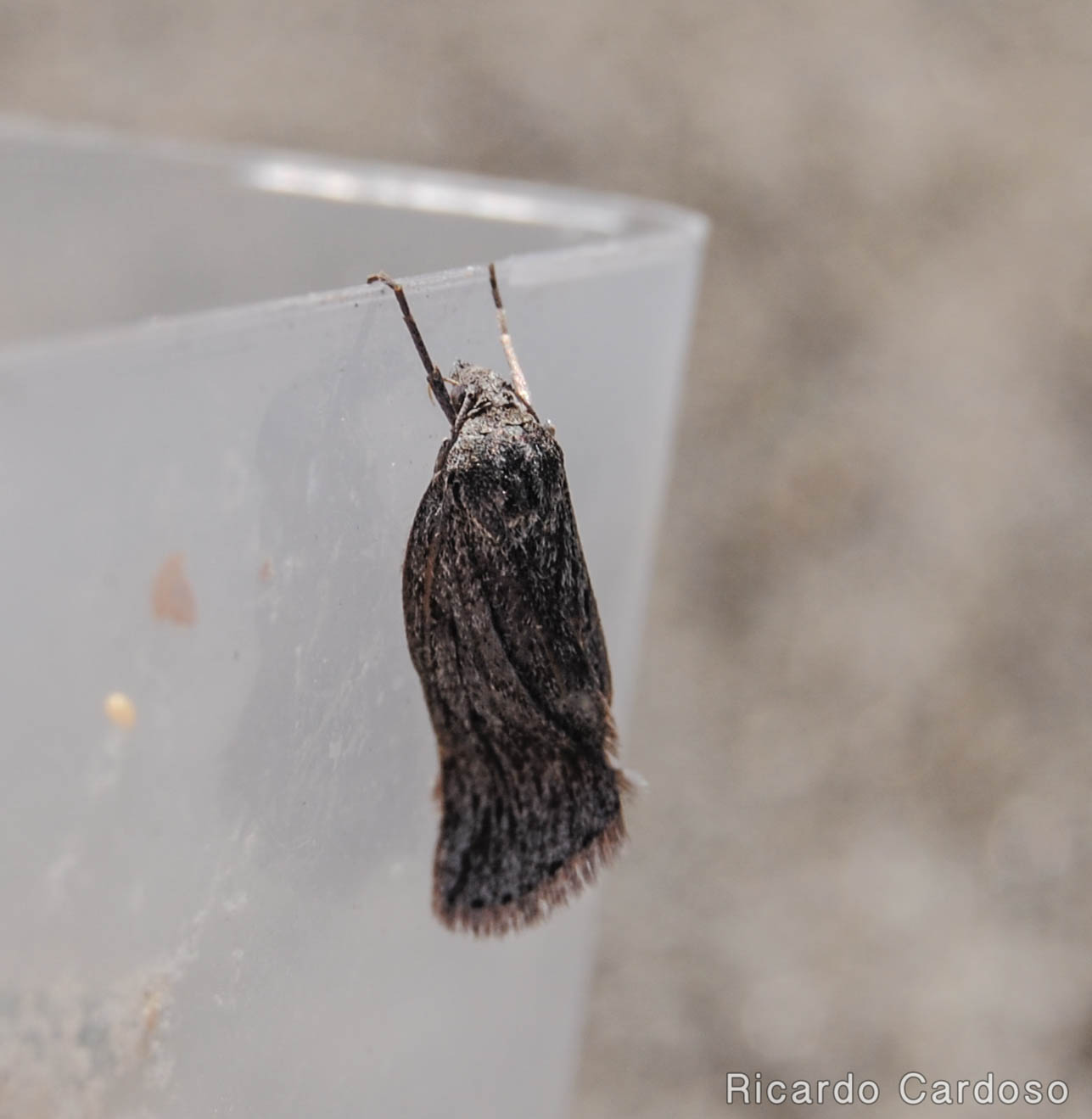
Neste post, trago uma borboleta muito comum nas noites de verão, sempre perto das luzes, assim como no campo seco , esta borboleta sempre aparece a voar de um lado para o outro.
Nunca vi a lagarta no selvagem, apesar de já ter visto a planta hospedeira muitas vezes com folhas roidas.
Um adulto deixou uns ovos e criei-os até à face adulta.
A lagarta alimentou-se de Polygonum sp , esta disfarça-se bem nas folhas, , mas também come Rumex sp.!
Para pupar faz um casulo de seda como mostra na fotografia, e dentro pupa.
O Adulto parece ter asas com a risca vermelha mais acentuada se comer Polygonum, e não Rumex, Todavia não há estudo cientifico sobre o mesmo, é uma mera hipótese.
Envergadura 22-28 mm

EN

In This post, I bring you a very common moth from summer nights, they are always sorrounding the light bulbs, just like in the dry fields, this moth always tends to appear , flying one way to another.
I've never seen the larvae on wild, even tho I've seen some host plants near the house bitten.
The Adult left some eggs and I've raised ever since.
The moth fed on Polygonum sp, , whose it uses to camouflage, althought it also eats Rumex sp.
To pupate it makes a silk cocoon as it's shown on the picture above, and it pupates inside.
The adult tend to have the wings with the red string more red if it eats Polygonum instead of Rumex. However, there is not a research on this, and this is just an hipotisis.
Wingspan  22-28mm


sábado, 24 de setembro de 2016

The Willow Beauty


LARVA 1#


11-07-2016


18-07-2016

06-08-2016

16-08-2016


LARVA 2#

06-08-2016

26-08-2016

03-09-2016


Peribatodes rhomboidaria aka The Willow Beauty


PT:
Encontrei duas larvas da mesma espécie, uma em Populus nigra e em Genista sp. Ambas pareciam ser ramificações secas, mas o seu grande tamanho fez com que a sua visualização fosse mais fácil.
Para pupar, este geometrideo enterra-se no qual pupa passado um ou dois dias.
Envergadura 40-48 mm


EN
Found 2 larvae from the same species, in different plants: Populus nigra and Genista sp. Both looked like draught wood sicks on the vegetation, but its big size made it easy to see. To pupate, the larvae buries itself in the soil, to pupate in 1-2 days.
Wingspan 40-48mm`

sexta-feira, 2 de setembro de 2016

Carnation Tortrix


25-07-2016

28-07-2016

02-08-2016

09-08-2016


Cacoecimorpha pronubana aka Carnation Tortix 


PT

Encontrei esta larva pequenina desta espécie em Prunus avium (cerejeira) na qual alimentei durante todo o processo. A lagarta alimenta-se dentro dos tubos de ceda, no qual mais tarde pupa.
Envergadura 18-22 mm

EN

Found small larvae of this species in Prunus avium (Cherry tree) which I feed through the whole process. The caterpillar feeds inside the silk tubes, and pupates in them later on.
Wingspan 18-22 mm

sexta-feira, 26 de agosto de 2016

Maiden's Blush

09-07-2016

 
18-07-2016


26-07-2016

01-08-2016


Cyclophora punctaria aka Maiden's Blush


PT

Encontrei a lagarta em Quercus robur, na qual alimentei até ao ultimo instar da larva. Quando a encontrei, sabia logo que seria Cyclophora, contudo não sabia que seria uma punctaria (é mais comum encontrar de C. pupillaria)
Para pupar, a larva fica no tronco no qual faz a pupa ou debaixo da folha. Alguns dias mais tarde o Imago sai da pupa.
envergadura 13-22 mm


EN

Found this caterpillar in a Quercus robur , which I fed untill the last instar. When I found it, I knew it was exactly a Cyclophora.
To pupate, it get's in a trunk and makes the pupa, or under the leaf. Few days later , the imago gets out.
Wingspan 13-22mm

sábado, 20 de agosto de 2016

Large Fruit-Tree Tortrix


15-07-2016

18-07-2016

25-07-2016


28-07-2016


01-08-2016

08-08-2016


Archips podana aka Large Fruit-Tree Tortrix


PT

Encontrei a larva em Salix atrocinerea na qual alimentei durante todo o seu desenvolvimento.
A lagarta, alimenta-se na folha, na qual faz um tubo de ceda, com passagem para se alimentar em extremos da folha até ao final. Uma vez que a folha esteja toda comida, esta volta a fazer outro tubo noutra folha e repete o processo. Este tubo é ''escondido'' , uma vez que a lagarta faz-lo na parte inferior  da folha que é ''colado'' por essa seda à parte superior de outra folha.  (Este processo é muito comum em Tortricidae). A lagarta é bastante grande, em comparação com os outros tortricidae que já criei) Para pupar, esta faz dentro dos tubos.
Envergadura 16-26mm

EN

Found this caterpillar in Salix atrocinerea which I fed during the whole development. The caterpillar feeds on the leaf, where she builds a silk tube, to it run up and down to feed on the leaf untill it devours the whole leaf. Once it is done, it builds another silk tube in another leaf, repeating the process. This silk tube is ''hidden'', since the caterpillar does it in the lower side of the leaf whose is ''stuck'' by the silk to another leaf (the upperside of another leaf). (this process is very common in Tortricidae).The caterpillar is a bigger than most of the tortricidae that I've raised. The larvae pupates inside the silk tubes.
Wingspan 16-26 mm


terça-feira, 16 de agosto de 2016

Horse Chestnut Moth

11-07-2016

18-07-2016


23-07-2016

03-08-2016


Pachycnemia hippocastanaria aka Horse Chestnut moth


EN
I found two caterpillars of this species in Erica sp, whose I fed on, during the growth. Although the Latin and English name is about horse Chestnut, it doesn’t feed on it.
They are very common in Erica sp. , however I’ve never seen the adult flying or atracted to light.
To pupate, the larvae buried itself.
Wingspan: 28-33mm


PT
Encontrei duas lagartas desta espécie em Erica sp. , na qual alimentei durante todo o seu desenvolvimento.  São bastante comuns en Erica sp. , mas o adulto nunca tinha visto.
Para pupar, a larva enterra-se.
Envergadura: 28-33 mm